The Podcast That Put Heritage Grain on Supermarket Shelves
An interview with Abby Rose, outgoing Farming the Future Ambassador
On a warm summer afternoon in Amersham in 2018, farmer and podcaster Abby Rose stood in
a field of ripening wheat with a group of fellow farmers, sharing a loaf of bread baked from local
grain by Kimberley Bell of Small Food Bakery. Many of them were visibly moved. It was the first
time they tasted bread made from what they had grown.
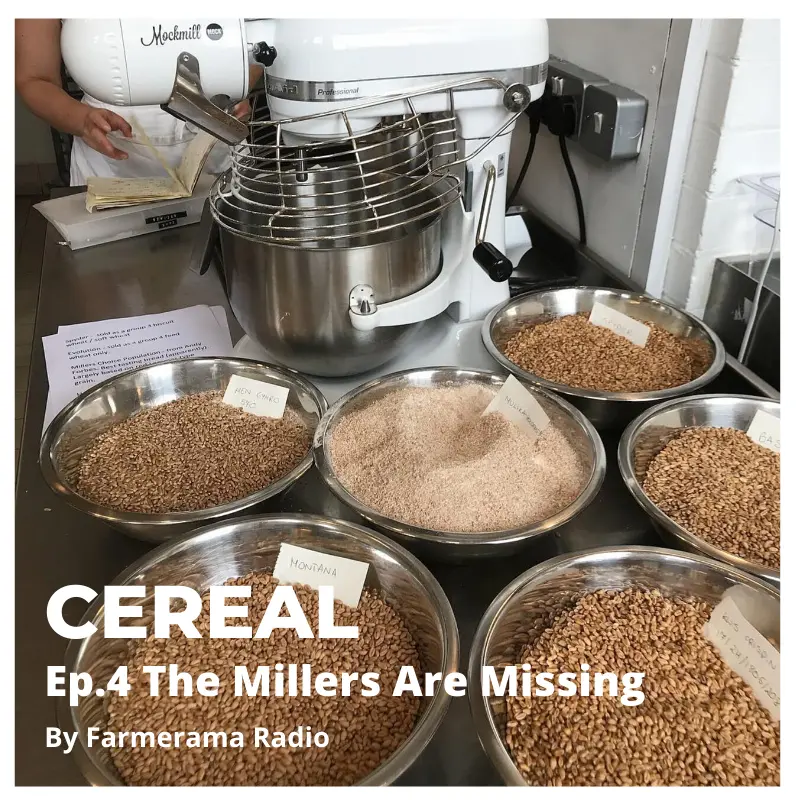
The moment felt worlds away from the food system they were used to - one in which grain is harvested, shipped off for processing, loaded into lorries and sent hundreds or even thousands of miles away before returning to shelves as flour or bread.
“It was a shocking moment, because it had never happened before,” Abby recalls. “It felt clear this was a point in time where this story needed to be shared, so people could see what’s happening in the food system and find ways to get involved.”
Abby is the co-founder, alongside Jo Barratt, of Farmerama Radio, a podcast for and about farmers. Until then, they had never produced long-form narrative content. It took two years to secure the modest funding they needed to create CEREAL, a groundbreaking six-part podcast tracing the story of grain from seed breeding and farming to milling, baking and possibilities for the future.

Released in late 2019, it went on to win several prestigious awards, including the 2020 Guild of Food Writers Award for Best Broadcast and Best Investigative Journalism. Hundreds of people wrote in to share how the series changed their perception of bread and flour. Most crucially, millers, bakers and farmers realised that they had more agency than they previously imagined. “Many bakers had never considered how they could affect the supply system,” Abby says. “Farmers saw a different path to market open up.”
Among listeners of the show were buyers at Waitrose, a leading British supermarket. They took notice. “They were able to have conversations with millers and farmers about growing different types of heritage grains. From that, a new product emerged.
For the first time, Waitrose produced a heritage loaf for its shelves. “That was an unexpected outcome,” says Abby, smiling.
Six years later, the podcast is still inspiring positive change in our food system. “We still hear
from bakers, farmers, eaters, academics, community groups from across the supply network
who have recently listened or re-listened to the series and continue to be moved to be part of
this new grains movement.”
The series also continues to serve as a vital and comprehensive resource for new listeners to
learn about the details of the grain supply and production system in the UK.
This ripple effect is something Abby keenly advocates for. Much like Farming the Future, she
believes in the value of supporting open-ended collaboration to catalyse change. “CEREAL is
an example of what ecosystem or infrastructure building might look like to support a new food
system,” she says. Alliances that sprung up between millers, bakers, farmers and distributors as
a result of the podcast continue to thrive.
“The challenge is that people still see funders as people who will give money for them to deliver projects, which of course they will. But can we also build this other space of network and connectivity between people? One that returns them to why they’re doing this work in the firstplace - and might that catalyse something different?”
CEREAL didn’t just document a food system, it continues to help build a new one. From a loaf
shared in a field, grew a network, a market and a new way of thinking about grain.
📖WANT TO KNOW MORE?
To find our more about CEREAL Revisted